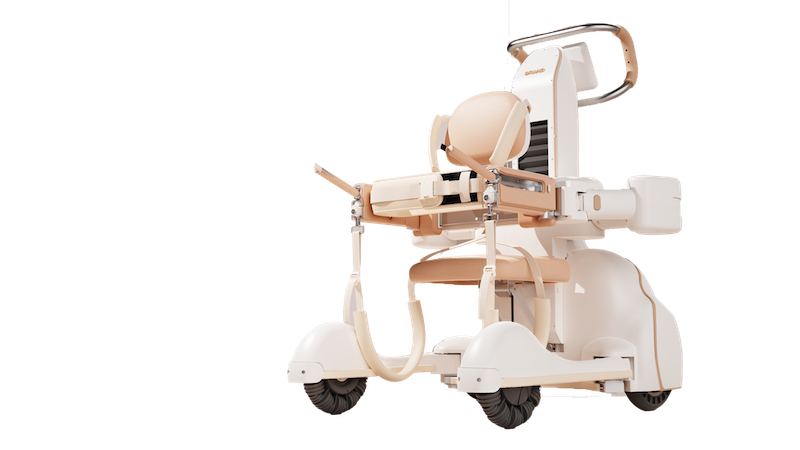
Data-driven Robotic Balance Assistant — Intelligent Following, Fall Prevention & Balance Assessment
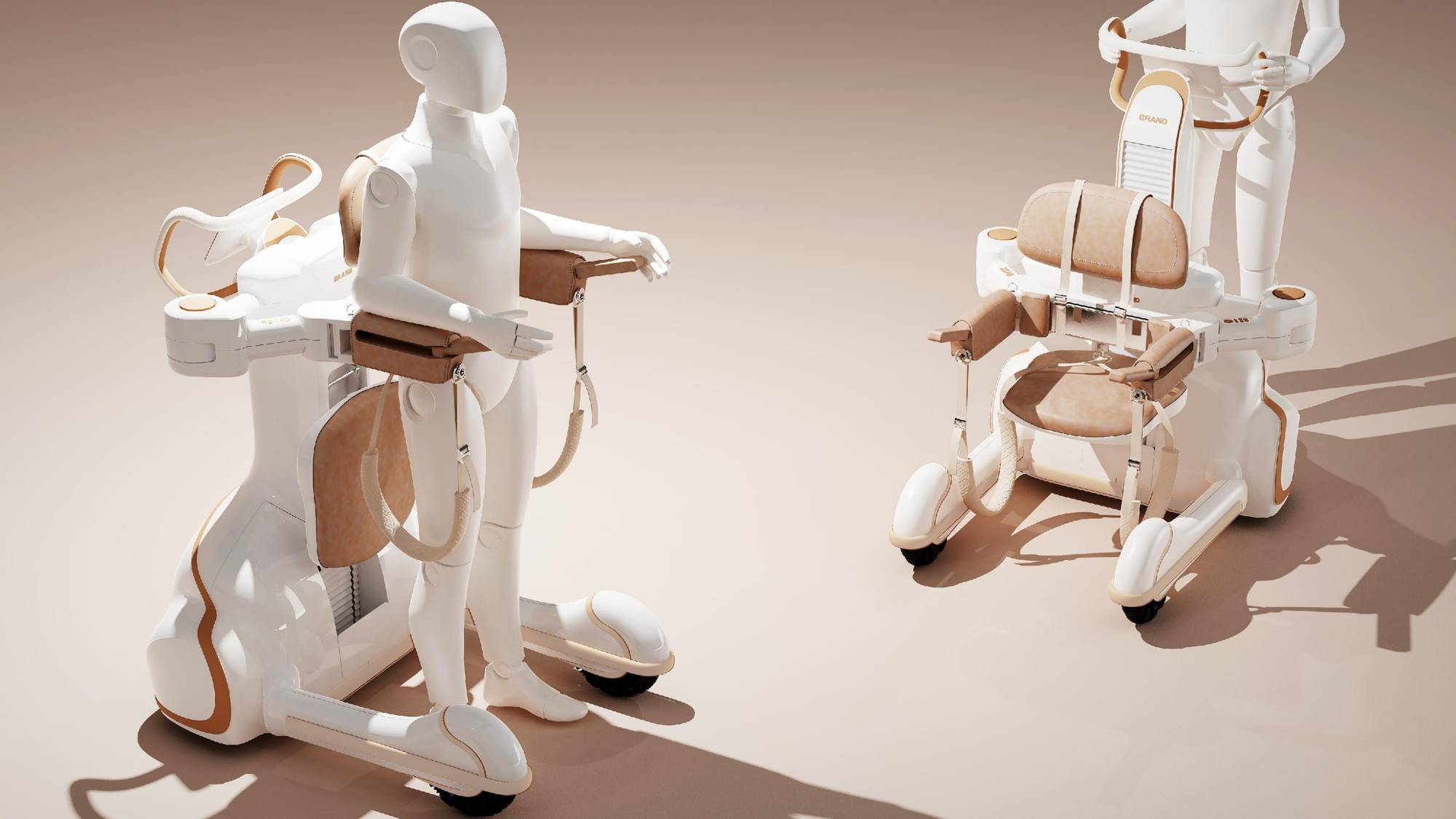
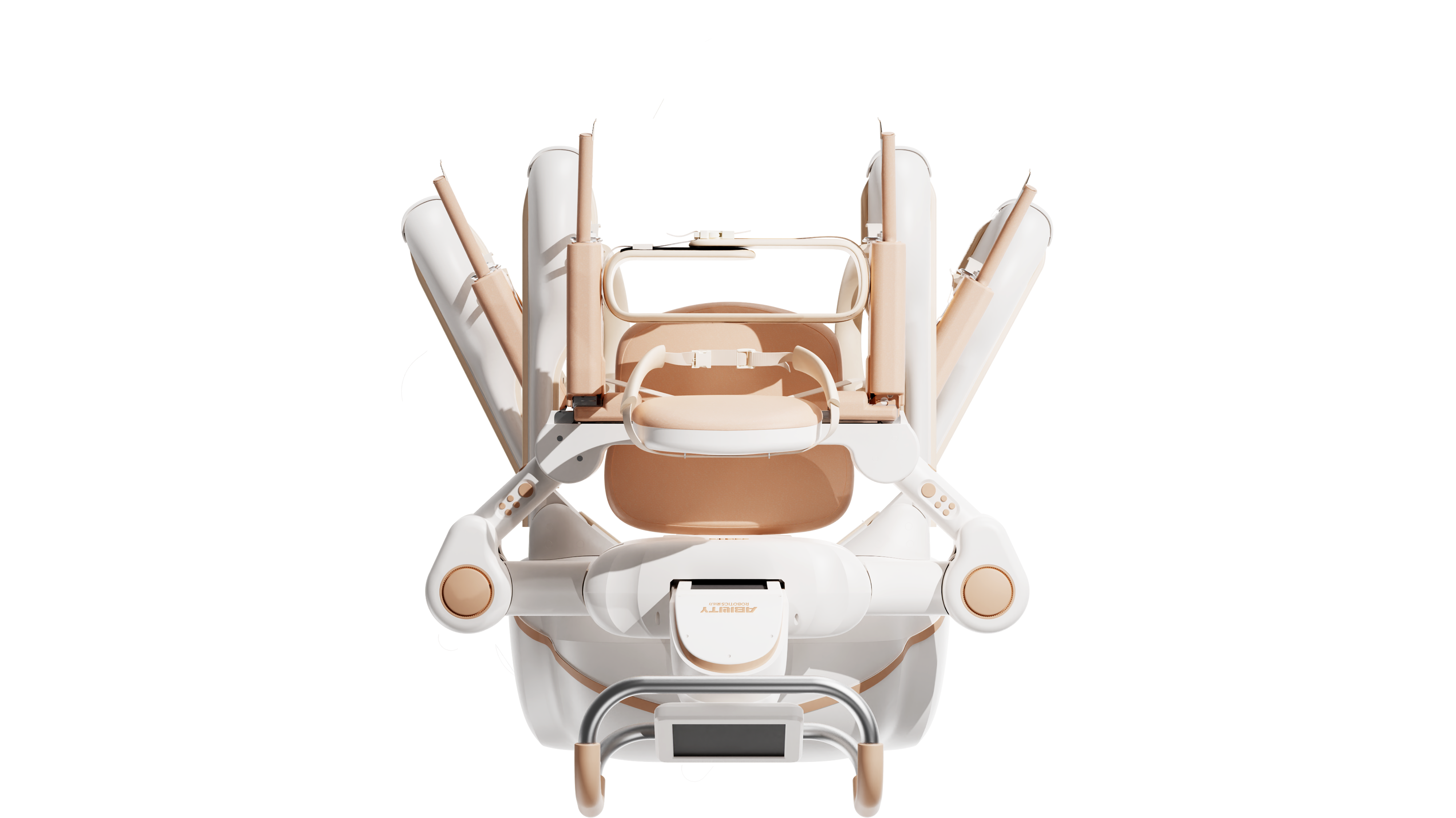
DRBA (Data-driven Robotic Balance Assistant) features multi-jointed flexible low-damping mechanical arms. Incorporating ergonomic and bionic technologies, it achieves human-like arm movements that simulate the hands of professional therapists, providing real-time support and protection during user training. Leveraging an established large-scale database of human walking patterns, the system employs artificial intelligence to construct intelligent robotic models for dynamic movement intent detection and fall prevention.
Multi-jointed flexible low-damping arms simulate professional therapist movements, providing natural and responsive support during rehabilitation.
Emergency stop and multi-layered safety protocols with real-time posture monitoring ensure patient safety throughout every training session.
Real-time hip trajectory visualization with quantitative data analysis. Includes postural stability, maze control, sway control, and stability limit assessments.
Patients with hemiplegia, monoplegia or multiple limb paralysis caused by cerebral palsy, stroke, neurodegenerative diseases, brain trauma, etc.
Patients with paraplegia caused by spinal cord injury, myelitis, or spinal cord lesions; patients with musculoskeletal or cardiopulmonary system diseases.
Patients with Parkinson's disease, elderly patients with mobility difficulties requiring balance and gait support.
Obese patients, amputee patients, and other individuals requiring balance assistance during rehabilitation therapy.
Contact us to discuss your rehabilitation facility requirements and get a custom quote.
Contact Us